
Bhagat Singh's Atheism?
Understanding the philosophy of doubt.

How Power Really Works — Part 10
Examining how power was challenged through doubt and ethical refusal, focusing on how authority was questioned in practice rather than sanctified in memory.
As this piece is published on 23 March, it marks 95 years since the execution of Bhagat Singh, who was just 23 years old at the time of his death.
Rather than retelling the familiar story of his life, this article revisits a podcast with J. Daniel Elam, a Professor of Comparative Literature at the University of Hong Kong with a PhD in Rhetoric and Public Culture from Northwestern University, to ask a simpler question.
What did Bhagat Singh think made power right or wrong and why do those ideas still matter today?
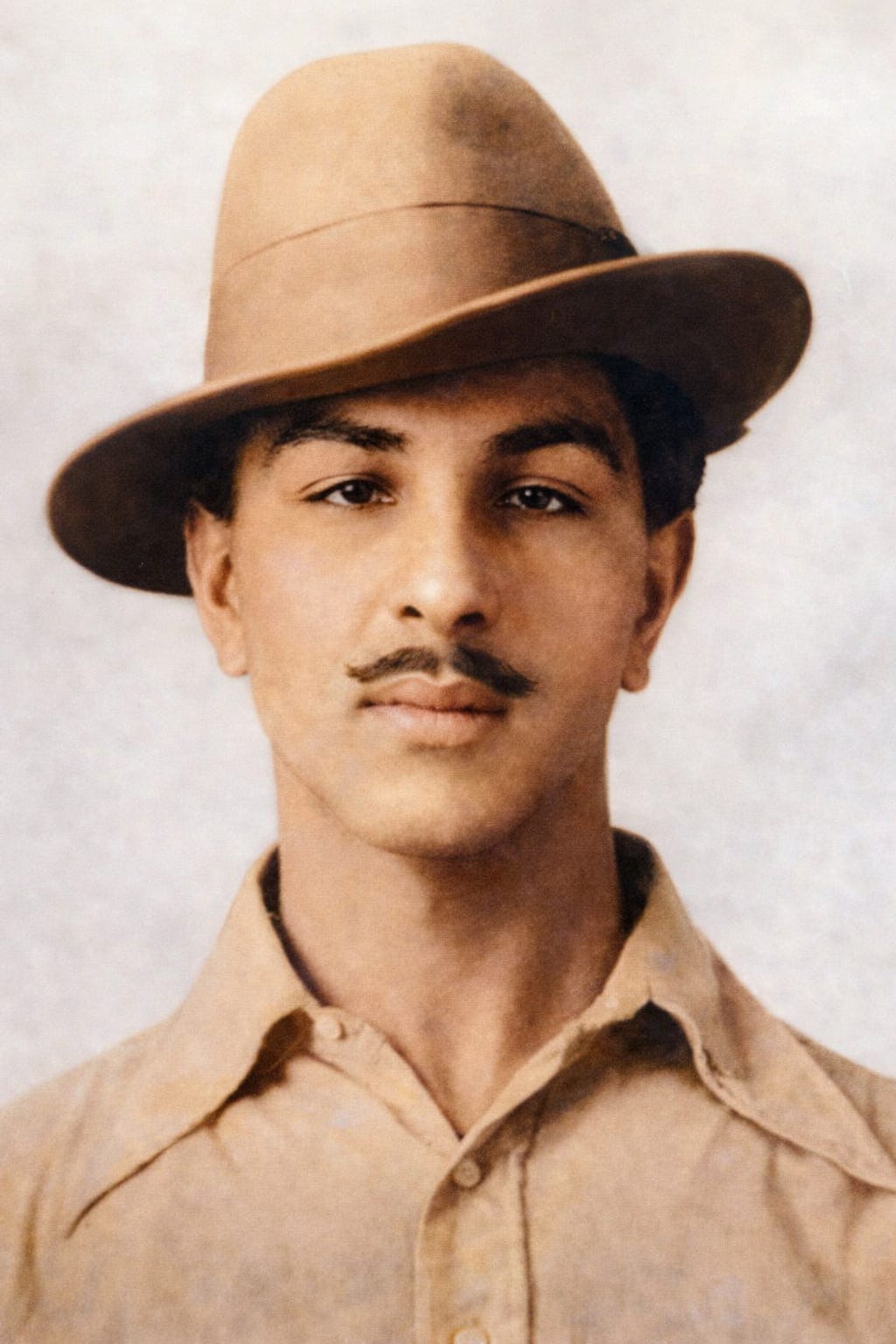
Bhagat Singh is remembered most often as a martyr. The image is familiar and powerful but martyrdom can flatten a person into a symbol.
We remember what Bhagat Singh did and yet we rarely explore what he thought and why.
One of his most read and most misunderstood writings is Why I Am an Atheist, composed in jail in the final years of his life. It is often treated as a rejection of religion or a straightforward badge of communist identity.
Elam argues something more unsettling and more political: Bhagat Singh’s atheism was a philosophy of doubt, designed to stop anyone, including revolutionaries, from placing themselves beyond criticism.
According J. Daniel Elam, Bhagat Singh’s atheism was not a statement of disbelief or a rejection of God but a political stance rooted in doubt. It challenged the idea that anyone, religious or revolutionary, could place themselves beyond challenge.
Bhagat Singh’s atheism, Elam argues, was a means of refusing that power. By insiting on doubt, Bhagat Singh denied anyone, including himself, the right to rule through absolute moral certainty. For Bhagat Singh all political action must remain open to criticism even when the cause feels urgent or righteous.
In other words, Bhagat Singh argued that anyone who asserts absolute authority through God, scripture or sacred truth effectively ends debate. Once a position is sanctified by a higher authority, it is no longer open to disagreement. In fact, that disagreement effectively becomes heresy, immorality or betrayal. More importantly, when politics claims sacred truth, accountability collapses, power hardens beyond questioning, let alone challenge.
